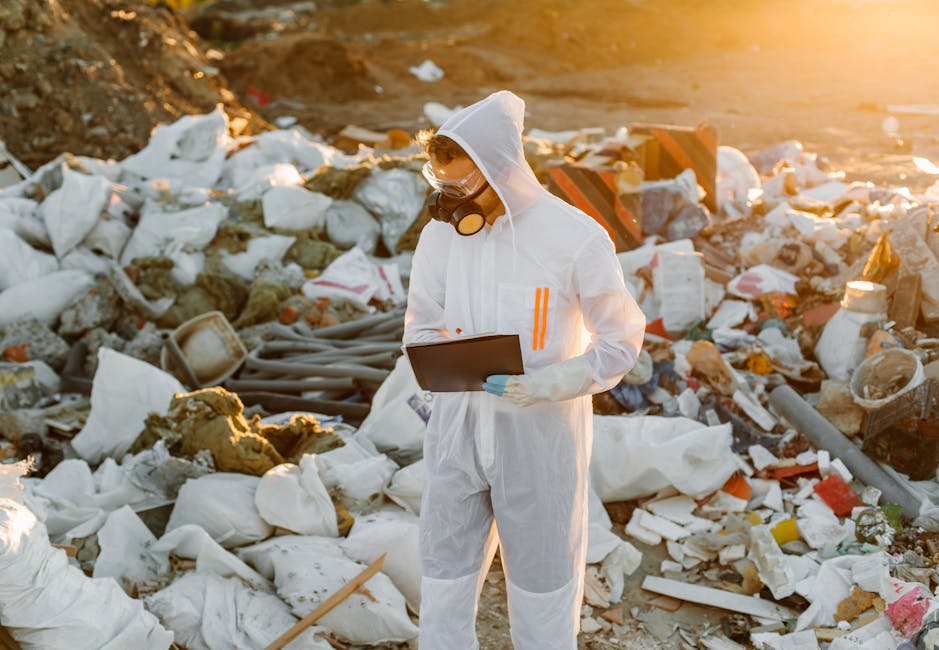
Avoid fines for hazardous waste from cleaning in N1
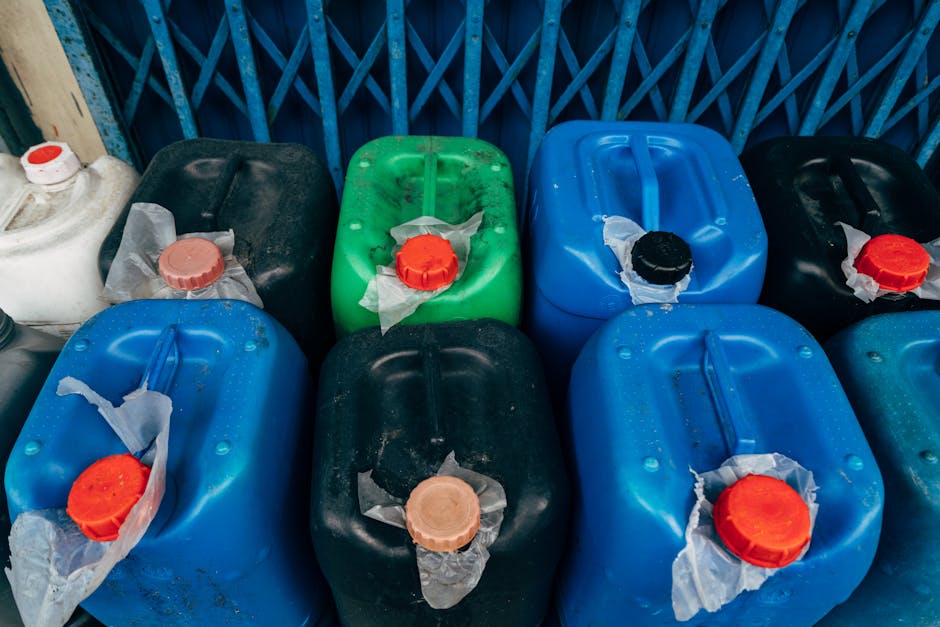
If you clean homes, flats, offices, or shared buildings in N1, waste handling can be the part nobody talks about until something goes wrong. A bottle of strong chemical, a soaked cloth, a sharps container, a paint-contaminated rag, or even the wrong drain disposal can quickly become a compliance headache. The aim here is simple: help you avoid fines for hazardous waste from cleaning in N1 by showing what counts as hazardous, how to store and separate it, and how to keep the paper trail tidy enough to stand up to scrutiny. Let's face it, no one wants a spotless property and a messy compliance record.
This guide is written for practical use, not theory. You will see how hazardous cleaning waste is usually identified, where mistakes happen, and what a sensible process looks like in day-to-day work. If you run a commercial contract, manage a block, or book specialist cleaning for a property in N1, the same principle applies: if waste is produced, it has to be handled properly. Otherwise the small issue becomes the expensive one.
Why Avoid Fines for Hazardous Waste from Cleaning in N1 Matters
Hazardous waste is not just a technical label. It usually means waste that could harm people, property, or the environment if it is mishandled. In cleaning work, that can include strong chemicals, contaminated absorbents, certain aerosol cans, sharps found during clearance work, or residues from specialist jobs. The issue is not only the waste itself, but what happens after the job is done. Mixing waste streams, overfilling containers, or leaving chemical containers unlabelled can create avoidable risk very quickly.
In N1, where properties range from older terraces and converted flats to busy commercial spaces and managed blocks, the practical challenges are real. Space is tight. Storage rooms are small. Deliveries come and go. A cleaner might be in and out before anyone notices a waste issue. That is exactly why a simple, consistent system matters. It is far cheaper and calmer to get it right than to explain later why hazardous waste was put in the wrong bin.
There is also a reputational side. If you manage cleaning for landlords, agents, offices, or hospitality properties, people expect professionalism. Poor waste handling can undermine trust fast. One awkward inspection, one complaint from a neighbour, one accident in a shared bin area... and the conversation changes tone. Not fun. Not cheap either.
Practical takeaway: avoiding fines is really about reducing confusion. When everyone knows what to separate, where to store it, and who removes it, most compliance problems never appear in the first place.
How Avoid fines for hazardous waste from cleaning in N1 Works
The process is usually simpler than people think, but only if it is done consistently. First, identify whether the waste is normal general waste, recyclable material, or hazardous waste. Then segregate it at source. After that, store it safely, label it where needed, and arrange removal through a suitable route. The main mistake is waiting until the end of the job and then trying to sort everything in a rush. That is where crossed wires happen.
A proper approach starts before the first cloth is wrung out. For example, a deep clean of a commercial kitchen may involve degreasing chemicals, detergent residues, contaminated paper towels, and possibly packaging from chemical products. Most of that may not be hazardous on its own, but once contaminated, it may need handling differently. A good cleaner does not guess. They check the product information, look at the situation, and keep separate waste streams apart.
Another point worth saying plainly: not every unpleasant cleaning item is hazardous waste. A used mop head is often just controlled as general waste, depending on contamination. But if it has been exposed to chemicals, bodily fluids, or other dangerous substances, the picture changes. That judgement call matters. When in doubt, treat the item more cautiously and document the decision.
For businesses operating across London, this sort of system works best when it is written down. A quick site note, a labelled container, and a named person responsible for disposal can make the whole thing much easier. It sounds basic because it is basic. But basic done well saves headaches.
Key Benefits and Practical Advantages
There is a tendency to think compliance is just about avoiding penalties. True, but a good waste process gives you a lot more than that. In our experience, the real advantage is control. You know what is where. You know who moved it. You know when it left site. That sort of clarity makes jobs smoother and less stressful.
- Lower risk of enforcement issues: Proper segregation and disposal reduce the chance of fines, complaints, and awkward follow-ups.
- Safer staff conditions: Cleaning teams are less likely to be exposed to chemicals, broken containers, or contaminated waste.
- Better client confidence: Landlords, offices, and managing agents notice reliable housekeeping, even if they never say it out loud.
- Cleaner site operations: Waste areas stay tidier when there is a routine, which helps everyone.
- Less waste mixing: Segregation often improves recycling and reduces disposal costs where appropriate.
One small but useful benefit is the reduction in "panic jobs". You know the sort: someone discovers a bag of chemical-soaked rags late on a Friday afternoon and suddenly the whole team is hunting for advice. A steady process prevents those last-minute scrambles. Truth be told, that alone is worth a lot.
There is also a practical business benefit. Clients who see tidy records, sensible storage, and a calm attitude to waste handling are more likely to renew contracts. They may not praise your segregation system over tea and biscuits, but they notice when problems never land on their desk.
Who This Is For and When It Makes Sense
This topic matters to a wide group of people, not just specialist waste firms. If you work in cleaning or manage cleaning services in N1, it is relevant whenever your work produces waste that could be hazardous or contaminated.
- Commercial cleaners handling offices, shops, clinics, or hospitality venues
- Domestic cleaners who occasionally deal with strong chemicals or contaminated materials
- End of tenancy teams clearing up neglected properties, mouldy waste, or leftover products
- After-builders crews managing paint, solvent containers, dusty debris, and trade waste
- Landlords and agents who need a reliable process for rubbish left after cleaning
- Facilities managers overseeing communal areas, bin stores, and shared spaces
It also makes sense if you are taking over a property where the waste situation is a bit unclear. Maybe the previous occupier left cleaning chemicals under the sink. Maybe there is a smell in the cupboard that makes everyone wrinkle their nose. Maybe there are half-used containers and nobody knows what they are. In that case, a cautious approach is the right one.
If your cleaning operation is small, this may feel like extra admin. Fair enough. But small teams are often the ones that get caught out because nobody has formalised the steps. A one-page process, a simple checklist, and a bit of discipline usually solves most of it.
Step-by-Step Guidance
Below is a practical route you can use for most cleaning jobs where waste may be hazardous. It is not fancy. It is meant to work on real sites with real time pressure.
- Identify the waste before you start. Walk through the job and note what chemicals, containers, or contaminated materials are likely to appear.
- Check product information and labels. If a cleaning product has hazard warnings, handle the empty container and any leftovers carefully.
- Separate waste at source. Use distinct bags, bins, or containers for general waste, recyclables, and anything potentially hazardous.
- Keep incompatible materials apart. Do not mix chemicals, and do not toss sharp items or contaminated absorbents into ordinary sacks.
- Label containers clearly. If a container holds hazardous or potentially hazardous waste, make that obvious for anyone who handles it next.
- Store waste securely. Keep it away from heat, drains, food areas, and public access where possible.
- Arrange lawful removal. Use an appropriate collection route and keep records of what was removed and when.
- Review the job afterwards. Ask what went well and what was awkward. A small improvement now can prevent a big issue next time.
Here is the bit many teams skip: a quick debrief. Five minutes after the job can save hours later. If the bags were overfilled, if the chemical shelf was awkward to access, or if staff were unsure what to do with a specific item, write it down. Then fix the process. Simple, but effective.
For larger contracts, it can help to assign one person on site as the waste lead. Not a manager in a suit standing around looking important - just someone who keeps an eye on segregation and storage. That one decision usually reduces muddle a lot.
Expert Tips for Better Results
When you have seen a few cleaning jobs, you start noticing the small things that stop waste problems from becoming bigger ones. These are the habits that make a real difference.
- Use visual cues. Colour-coded bags, labels, or storage zones help teams work faster without second-guessing every item.
- Do not overfill sacks. Heavy or bulging bags are more likely to split, which creates contamination and manual handling risk.
- Keep a product list on site. Even a short list of commonly used chemicals helps staff decide what to do with leftovers and empties.
- Train new starters properly. A five-minute explanation is not enough if the job includes solvents, sharps, or contaminated waste.
- Use closed containers for liquids. Open tubs and leaky bottles are asking for trouble, especially in smaller properties.
- Check bin-store access. In N1 buildings, shared access can be tight. If waste has to pass through communal areas, plan that move carefully.
One good practice that often gets overlooked is photographing waste storage before collection, especially on larger or multi-visit jobs. Not because you want a trophy album of rubbish, obviously, but because it gives you a simple record if questions come later. That little bit of proof can be surprisingly useful.
Also, if a job is unusually messy, slow down. Rushing is how labels get skipped and containers get mixed. It feels efficient in the moment. It rarely is.
Common Mistakes to Avoid
The same errors crop up again and again. Most are not dramatic on their own, which is part of the problem. They feel small. Then they stack up.
- Mixing hazardous and general waste: Once mixed, the whole bag may need to be handled more cautiously.
- Pouring leftovers down sinks or drains: This can create environmental and building safety issues, and it is rarely a good idea.
- Leaving unlabeled containers around: If nobody can identify it, nobody can handle it safely.
- Ignoring contaminated disposables: Wipes, cloths, and absorbents can be just as important as the main chemical container.
- Assuming the client will deal with it: That assumption causes a lot of confusion. Clarify responsibility early.
- Storing waste in open or public areas: This increases the risk of spills, tampering, or accidental contact.
A classic mistake is treating "empty" chemical containers as automatically harmless. Empty does not always mean clean, and clean does not always mean safe to toss anywhere. The residue matters. A little left inside can still matter in a practical sense, especially during handling or transport.
Another one? Forgetting that cleaning waste can vary job to job. An everyday office clean is very different from a post-incident clean or a deep clean after long vacancy. What worked last week may not be enough this week. Easy to miss, that.
Tools, Resources and Recommendations
You do not need a huge toolkit to do this properly. Most teams need a mix of common-sense equipment, clear paperwork, and a few sturdy containers.
| Tool or resource | What it helps with | Why it matters |
|---|---|---|
| Colour-coded bins or bags | Separating waste streams on site | Reduces accidental mixing and makes sorting faster |
| Container labels | Identifying contents clearly | Supports safe handling and reduces confusion |
| Site waste log | Recording what was removed and when | Useful for traceability and internal checks |
| Product safety information | Understanding chemical risks | Helps staff decide how to store or dispose of materials |
| PPE such as gloves and eye protection | Reducing exposure while handling waste | Basic protection when dealing with contamination or sharp edges |
If you are dealing with large commercial sites, it is worth using a documented waste procedure. Not a massive manual, just a sensible reference that covers segregation, storage, emergency response, and sign-off. Put simply, write down what you expect people to do when the pressure is on.
You may also want to check broader operational policies, especially if waste handling is part of a bigger cleaning contract. A clear health and safety policy and robust insurance and safety information can help show that your approach is structured, not improvised.
Law, Compliance, Standards, or Best Practice
Cleaning waste handling in the UK sits within a wider legal and best-practice framework around duty of care, safe storage, waste classification, and responsible transfer. The exact requirements can vary depending on the type of waste, the property, and the type of work being done. Because that can get technical, the safest approach is to treat hazardous waste carefully, document decisions, and avoid assumptions.
In practical terms, that means:
- classifying waste correctly where there is any doubt
- keeping hazardous and non-hazardous waste separate
- using secure containers and clear labels
- keeping records of removal and disposal
- making sure staff are trained to recognise problem materials
Best practice also means building consistency into your cleaning routine. If every cleaner stores waste differently, compliance becomes a guessing game. If the team follows one clear method, you get fewer surprises and fewer arguments over who did what. That is the goal, really.
For many businesses, the strongest support comes from combining waste-aware procedures with broader operational controls. That can include customer communication, site induction, and a simple escalation route for unusual finds. If a cleaner uncovers chemicals left behind in a cupboard, or a bag looks contaminated in a way that feels off, there should be a clear next step - not a shrug and a hope for the best.
As a side note, if you publish policies or service pages, keeping your public information accurate helps too. Clients often judge compliance before they ever ask for a document. A tidy, transparent website can quietly reinforce trust.
Options, Methods, or Comparison Table
Not every cleaning job needs the same waste handling method. The right approach depends on the scale of the work, the type of waste, and how much control you need on site. Here is a simple comparison that may help.
| Method | Best for | Pros | Limitations |
|---|---|---|---|
| Basic segregation at source | Routine domestic or light commercial cleaning | Simple, quick, low cost | Can fail if staff are not trained |
| Dedicated site waste station | Busy offices, blocks, and recurring contracts | Good visibility and better control | Needs space and regular monitoring |
| Specialist handling for contaminated items | Post-incident or higher-risk cleans | Safer for unusual materials | Requires more planning and potentially higher cost |
| One-off supervised removal | Clearance jobs or unusual finds | Useful when the waste is unclear | Can be slower and more admin-heavy |
For many N1 properties, the best route is a hybrid of the first two. Keep things simple day to day, but have a clear escalation method for anything unusual. That balance works well in real life because most jobs are ordinary, until they are not.
Case Study or Real-World Example
A small facilities team in a mixed-use N1 building was dealing with repeat issues in the bin store. Cleaning chemicals from different contractors were being left behind, some containers were half full, and waste bags from routine cleans were getting mixed with items that should have been separated. Nobody was trying to be careless. It was just one of those "we'll sort it later" situations that kept turning into a bigger job later.
The team introduced three changes. First, they created a simple colour-coded storage area for cleaning waste. Second, they made contractors sign off when chemicals or contaminated materials were removed. Third, they added a short induction for anyone cleaning the site for the first time. Nothing dramatic. No giant compliance overhaul. Just better habits.
Within a few weeks, the bin area was easier to manage, the cleaners were more confident, and the facilities manager spent less time answering the same question over and over. The biggest win was not glamorous, but it mattered: fewer mistakes, fewer awkward conversations, and no last-minute panic over where a suspicious container had gone. That is the sort of outcome people want, even if they do not say it in exactly those words.
The lesson is pretty clear. Most waste problems are process problems. If you make the process obvious, most of the risk disappears.
Practical Checklist
Use this checklist before, during, and after a cleaning job where hazardous waste could be produced.
- Have we identified likely hazardous or contaminated waste before starting?
- Are cleaning chemicals and residues clearly separated from general waste?
- Do staff know what containers to use for each waste type?
- Are labels clear and easy to read?
- Is storage secure, dry, and away from public access where possible?
- Have we avoided mixing incompatible materials?
- Are any liquids contained safely and not leaking?
- Do we know who is responsible for removal or collection?
- Are records kept for unusual items or removals?
- Has the team been briefed on what to do if something looks unsafe?
If you can answer yes to most of those, you are probably in a much better place than many sites. Not perfect, maybe. But much better.
Conclusion
Avoiding fines for hazardous waste from cleaning in N1 is not about building a perfect system. It is about using a sensible one, every time. Identify the waste early, separate it properly, store it securely, and keep a record of what happens next. That steady approach protects your team, supports your clients, and reduces the chance of an expensive mistake.
In day-to-day cleaning work, especially in busy London properties, the small details matter more than people think. A clear label, a closed container, a five-minute check, a good handover. Those are the things that quietly keep a job on track. And honestly, that is what good professionalism looks like.
If you are reviewing your current process, start small and improve one step at a time. That is usually enough to turn a weak system into a reliable one.
Get a free quote today and see how much you can save.
When waste handling is calm and organised, the whole job feels lighter. That is a good place to be.
Frequently Asked Questions
What counts as hazardous waste from cleaning?
It is usually waste that could harm people or the environment if handled badly, such as strong chemical residues, contaminated absorbents, certain aerosols, or sharp or contaminated items from a cleaning job. The exact classification depends on the item and the context.
Can I put used cleaning chemicals in the general waste bin?
Not automatically. Some containers may be considered hazardous if they still hold residues or present a risk. It is safer to check the product information and follow a clear disposal process rather than guessing.
Do domestic cleaning jobs in N1 ever produce hazardous waste?
Yes, they can. It is less common than in specialist or commercial work, but it still happens when strong chemicals, sharp items, mould-related contamination, or unusual household waste is involved.
How do I know if something should be separated from normal waste?
If it is chemically contaminated, sharp, leaking, or unclear, separate it first and assess it properly. A cautious approach is usually better than mixing it into general rubbish and hoping for the best.
What records should I keep for hazardous cleaning waste?
Keep practical records of what was removed, when it was removed, and how it was handled. For larger or more formal jobs, a simple waste log is often enough to show that the process was controlled.
Is training important for small cleaning teams?
Very much so. Small teams are often more exposed to mistakes because one person's habit becomes the whole site's habit. Short, clear training helps everyone make better decisions under pressure.
What is the biggest mistake cleaners make with hazardous waste?
Mixing different waste streams is one of the most common mistakes. Once hazardous waste is mixed with general waste, it becomes harder to handle safely and may increase cost or compliance risk.
Can I store hazardous waste temporarily on site?
Yes, but it should be stored securely, clearly labelled, and kept away from public access or anything that could make the risk worse. Temporary storage should be controlled, not casual.
Do I need special equipment to handle cleaning waste safely?
Often, basic PPE, secure containers, labels, and proper bags are enough for routine work. For higher-risk or unusual waste, more specialised handling may be needed.
How often should waste procedures be reviewed?
Whenever the job type changes, a problem is found, or new staff are introduced, it is worth reviewing the process. Even without big changes, a regular periodic check helps keep the system practical and current.
What should I do if I find something unusual during a clean in N1?
Stop and assess it before moving it. If it looks contaminated, sharp, chemical, or otherwise unsafe, isolate it and follow your site process. A brief pause now is better than a bigger problem later.
Where do commercial cleaning and waste handling overlap?
They overlap every time a contract produces waste that must be separated, stored, or removed responsibly. If you run or manage commercial cleaning, waste handling should be treated as part of the service, not an afterthought.
For more about the kind of work that often creates waste handling issues, see our commercial cleaning, deep cleaning, and end of tenancy cleaning pages, which show how different jobs can lead to very different cleanup needs.