Health and Safety Policy for Cleaners N1
 This health and safety policy for cleaners N1 sets out the standards, responsibilities, and working practices that help maintain a safe, efficient, and professional cleaning environment. It applies to all cleaning tasks carried out by our team and supports a workplace culture where risk awareness, careful planning, and proper conduct come first. The aim is to reduce preventable accidents, protect the wellbeing of staff, and ensure every cleaning activity is completed with confidence and care.
Cleaning work often involves movement, handling equipment, exposure to substances, and work in occupied spaces. For that reason, this policy focuses on clear routines and sensible control measures. All staff are expected to follow instructions, use equipment properly, and report anything that may compromise safety. By maintaining consistent standards, our cleaners in N1 can deliver reliable results while limiting harm to themselves and others.
 This policy also supports a respectful working environment. Good housekeeping, correct storage, and attention to detail are essential parts of safe practice. Every cleaner must understand that health and safety is not an optional extra; it is built into every task, from preparing products to finishing a room. The approach described here reflects a commitment to safe cleaning operations and responsible site behaviour.
Responsibilities and Workplace Standards
The business is responsible for providing suitable equipment, appropriate training, and a clear system for safe working. This includes ensuring that cleaners are familiar with the correct use of tools, chemical products, and personal protective equipment. Managers must also assess common hazards and put practical controls in place before work begins. Where conditions change, the risk assessment should be reviewed and updated.
Cleaners are responsible for following safe working methods, keeping work areas tidy, and using common sense throughout the shift. They must not use damaged equipment, improvise unsafe solutions, or ignore warning signs. A strong cleaning health and safety policy relies on cooperation at every level, especially when tasks involve wet floors, confined spaces, lifting, or contact with potentially irritating substances.
Communication is also vital. If a cleaner notices a spill, faulty cable, broken tool, or unsafe access route, it should be reported immediately. Early reporting helps prevent incidents and keeps the team focused on safe cleaning practices. Staff should also raise concerns if they feel unwell, experience fatigue, or believe a task is beyond what can be done safely.
Control Measures for Safe Cleaning Work
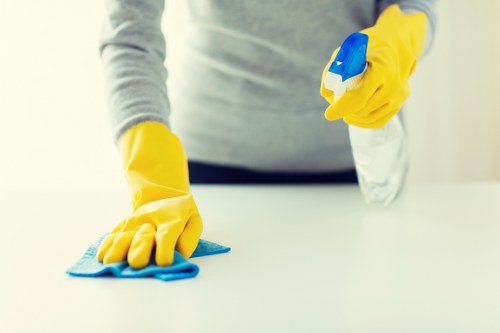 To reduce risk, cleaners should follow simple but effective control measures. These include wearing suitable gloves where necessary, using warning signs for slippery surfaces, and selecting the correct dilution and application method for chemicals. Products should always be used according to their intended purpose and never mixed unless specifically approved. This helps limit exposure and prevents dangerous reactions.
Manual handling must be approached carefully. Cleaning staff may need to move bins, vacuum machines, mop buckets, or supplies. Items should be lifted with proper technique, and heavier loads should be split into smaller ones where possible. If equipment or furniture is awkward to move, help should be requested rather than forcing the task. Safe posture and steady movement are key parts of cleaner safety.
Work areas should be kept organised during and after cleaning. Cables must be positioned to avoid trips, buckets should not block routes, and tools should be returned to designated storage points. Where floors are being washed or polished, access should be managed until surfaces are dry. These steps may seem basic, but they are essential in any robust health and safety policy for cleaning teams.
Training, Supervision, and Incident Reporting
Training helps cleaners understand hazards and apply safe methods with consistency. Induction should cover general safety, chemical awareness, manual handling, emergency actions, and equipment use. Refresher training should be provided when procedures change or when additional risks are identified. Supervisors must ensure that instructions are understood and that new staff are not left to work unsafely without support.
Supervision is especially important when cleaners work in unfamiliar locations, use specialist products, or carry out tasks outside routine schedules. Oversight helps maintain quality and safety at the same time. It also reinforces the expectation that everyone works within their competence and asks for clarification when needed. A reliable cleaning safety policy depends on good supervision and clear accountability.
All accidents, near misses, and unsafe conditions must be reported as soon as possible. This includes slips, cuts, allergic reactions, equipment failures, and any incident involving exposure to harmful substances. Reporting allows action to be taken quickly and supports future prevention. Records should be kept where necessary so that patterns can be identified and improvement measures introduced.
Health Protection and Emergency Response
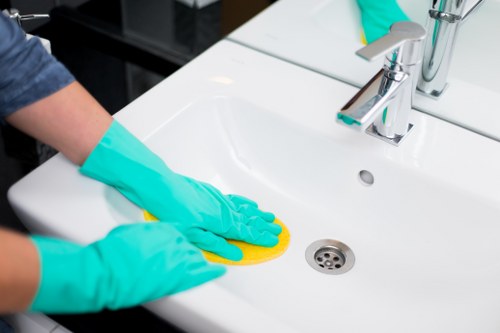 Protecting health means paying attention to both immediate hazards and longer-term risks. Repetitive movements, prolonged standing, and frequent use of cleaning agents can affect wellbeing over time. Staff should take reasonable breaks, use equipment correctly, and vary tasks where possible. Good hand hygiene, sensible pacing, and proper ventilation all contribute to a healthier working routine.
In an emergency, cleaners must act calmly and follow the relevant procedure. If there is fire, chemical exposure, injury, or another serious event, the priority is to protect life and summon assistance through the correct internal process. Staff should know where emergency equipment is kept and how to leave the area safely. A practical health and safety policy for cleaners must always include clear emergency awareness.
Review and Continuous Improvement
 This policy will be reviewed regularly to make sure it remains effective, current, and suitable for the work being carried out. Reviews should consider incident records, operational changes, new equipment, updated products, and any feedback that identifies a safer way of working. Continuous improvement is part of responsible service delivery and helps ensure that the standards expected from cleaners N1 are maintained at a high level.
The commitment behind this policy is straightforward: safe cleaning is professional cleaning. By following agreed procedures, staying alert to hazards, and working with care, cleaning staff can carry out their duties responsibly while protecting themselves, colleagues, and building users. This cleaning health and safety policy provides the foundation for safe, consistent, and dependable work every day.