Hard Floor Cleaning in N1
If you’re looking for Hard Floor Cleaning in N1, you’re probably dealing with floors that need more than a quick sweep or mop. In busy homes, flats, offices, shops, and shared buildings across N1, hard flooring picks up everyday wear fast: dust from open windows, scuffs from foot traffic, muddy marks from wet shoes, dull patches from cleaning residue, and the kind of grime that builds up in corners and along edges. A proper professional clean can restore the finish, improve the appearance of the whole space, and make day-to-day upkeep much easier.
N1 is a varied part of London, with everything from period conversions and mansion flats to modern apartments, busy high-street premises, studios, managed offices, and communal entrances. That mix matters. Different floors need different cleaning methods, and local access issues—tight stairwells, shared entryways, lift restrictions, loading limitations, and parking pressure—can affect how a job is planned. A local hard floor cleaning service understands those realities and arrives prepared for them.
Whether your floor is stone, tile, vinyl, laminate, sealed wood, engineered wood, terrazzo, or another hard surface, the aim is the same: clean it safely, protect the finish, and leave it looking cared for. If your floor has lost its shine, feels sticky underfoot, shows stubborn marks, or just looks tired, you can request a free quote and arrange a service suited to your property, surface type, and schedule.
Professional hard floor cleaning for homes and businesses in N1

Our hard floor cleaning service in N1 is designed for both residential and commercial customers who want reliable results without the hassle of doing everything themselves. For homeowners and tenants, that often means cleaning kitchen floors, hallways, living areas, bathrooms, and entrance spaces that need a careful refresh. For businesses, it can include retail floors, office reception areas, treatment rooms, studios, hospitality spaces, and shared corridors that need to look presentable every day.
Hard floors can be deceptively difficult to clean well. On the surface, they seem easy: no pile, no fibres, no obvious dust traps. In practice, though, floors collect fine grit, dried spills, tracked-in dirt, cleaning-product residue, and marks that standard mopping often spreads around rather than removes. Professional floor cleaning goes deeper, using the right process for the material, the finish, and the amount of wear.
In N1 properties, where many rooms have mixed-use traffic and older layouts, floor care often needs a flexible approach. A ground-floor shop in a busy parade may need fast-drying work outside trading hours. A flat in a converted building may need quiet equipment and minimal disruption. A shared hallway in a managed block may need a process that respects common areas and keeps pathways clear. Local experience helps the job run smoothly from start to finish.
Which hard floor surfaces do we clean?

Different hard floor materials need different techniques. The wrong chemical, too much water, or an aggressive tool can dull a finish, damage grout, or leave a slippery residue. That’s why a proper assessment matters before work begins. A professional cleaner will usually identify the floor type, check for existing wear, and choose the safest method accordingly.
Common surfaces covered by hard floor cleaning in N1 include:
- Tile and grout floors in kitchens, bathrooms, entrances, and commercial spaces
- Natural stone such as marble, limestone, travertine, slate, and granite
- Engineered wood and sealed timber floors in homes and offices
- Vinyl and LVT in modern apartments, clinics, shops, and managed buildings
- Terrazzo and other decorative finishes in period and commercial properties
- Laminate and other sealed hard surfaces that need careful low-moisture cleaning
Each surface has different sensitivities. Natural stone can be affected by acidic products. Sealed wood needs protection from excess moisture. Vinyl can become dull if product build-up is left behind. Tile grout often traps dirt that a mop cannot remove properly. A good service works with those differences, rather than using a one-size-fits-all routine.
What’s included in a hard floor cleaning service?
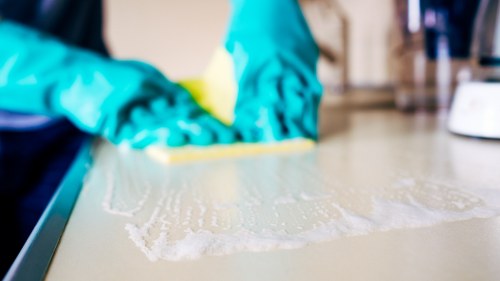
A thorough hard floor cleaning appointment is usually more than a quick surface wash. The exact process will depend on the material, the condition of the floor, and whether the aim is routine maintenance or a deeper restorative clean. Customers in N1 often want clarity on what happens on the day, so it helps to know the typical steps involved.
Common inclusions may cover:
- Initial inspection of the floor type, wear, stains, and any damage
- Dry debris removal to lift dust, grit, and loose dirt before wet cleaning
- Targeted pre-treatment of marks, spillages, traffic lanes, or greasy areas
- Machine or hand cleaning matched to the surface and size of the area
- Detail cleaning around edges, corners, skirting lines, and hard-to-reach spots
- Residue removal so the floor is left clean rather than sticky or hazy
- Optional finish care such as polishing, buffing, or maintenance advice where suitable
For some floors, the service may focus on deep cleaning only. For others, it may be part of wider floor maintenance, especially where appearance and hygiene are important. In commercial premises, this can help reduce the visible effects of heavy footfall. In homes, it can make the floor feel brighter, cleaner, and more comfortable underfoot.
Why local hard floor cleaning is especially useful in N1

Choosing a local team for Hard Floor Cleaning in N1 brings practical advantages that matter in real life. N1 covers busy and varied neighbourhoods where timing, access, and property style can all influence how a service is delivered. Local cleaners are more likely to be familiar with the area’s housing stock and the needs of different customer types, from landlords and managing agents to retailers and families.
Some of the local factors that can affect floor cleaning work include:
- Limited parking and controlled parking zones that require efficient arrival and setup
- Stair-only access in older blocks and converted buildings
- Shared entrances where care is needed to avoid disruption to neighbours
- Busy commercial streets where timing outside peak periods can be important
- Mixed property ages with different floor finishes and maintenance histories
- High foot traffic in communal areas, receptions, and shopfronts
That local knowledge can make the service more efficient and less stressful. It also helps ensure the cleaning method suits the building layout and floor material, which is especially valuable when the floor is older, delicate, or part of a larger managed property.
Who benefits most from a local service?
Local hard floor cleaning is useful for:
- Homeowners who want a cleaner, better-looking floor without trial-and-error products
- Tenants preparing for the end of a tenancy or wanting to freshen a long-used floor
- Landlords and letting agents maintaining standards across rental properties
- Offices needing a tidy, professional appearance in reception and common areas
- Retailers and hospitality businesses where presentation matters every day
- Building managers responsible for communal floors, corridors, and entrances
How the service works

Customers often want to know how a hard floor cleaning appointment is handled from the moment they enquire. A good service should feel straightforward, organised, and transparent. The process is usually designed to minimise disruption while making sure the floor receives the right level of attention.
A typical service flow looks like this:
- Enquiry and assessment – You describe the floor type, the size of the area, and the issues you’re seeing, such as dullness, grime, staining, or slip concerns.
- Quote preparation – Pricing is usually based on factors such as surface type, condition, access, room size, and whether deep cleaning or maintenance cleaning is needed.
- Arrival and setup – The cleaning team arrives with suitable equipment and checks access arrangements, protective measures, and any special instructions.
- Cleaning process – The floor is treated with the correct method for the material, using controlled moisture and appropriate products.
- Final review – The surface is checked for completeness, leftover residue, or areas needing a second pass.
- Aftercare advice – You may be given practical tips for keeping the floor in better condition between professional visits.
For many customers, the value lies not only in the finished look, but also in saving time and avoiding damage. A floor that has been cleaned properly is often easier to maintain afterwards, especially when the right everyday care routine is used.
Common problems hard floor cleaning can help with
Signs your floor may need professional attention
Not every floor issue means the surface is damaged. In many cases, the problem is built-up dirt, residue, or wear that can be improved with the right cleaning method. If you’ve been mopping regularly but the floor still doesn’t look right, a deeper service may be the answer.
Typical signs include:
- Dull or patchy appearance after regular cleaning
- Sticky or hazy residue caused by product build-up
- Darkened grout lines or dirt trapped in joints
- Scuff marks from shoes, furniture, or equipment
- Spill stains that have settled into the surface
- Visible traffic lanes in hallways, entrances, and reception areas
- Uneven shine on polished or sealed floors
Professional cleaning can often improve the overall look dramatically, even if the floor has been neglected for a while. In some cases, it can also help identify issues early, such as worn sealant, loose grout, or scratches that may need separate attention.
Why regular mopping is not always enough
Many people in N1 keep their floors tidy with standard mopping, but over time that can leave behind residue, especially if the wrong product is used or the mop water is reused too often. On porous stone or textured tile, dirt can settle below the surface. On vinyl and sealed floors, layers of cleaner can build up and dull the finish. A professional clean removes what routine cleaning leaves behind.
Preparing for your appointment
To help the service run smoothly, a little preparation can make a big difference. You do not usually need to do major work before the team arrives, but clearing access and giving clear information helps the cleaning be more efficient and effective.
Simple preparation checklist:
- Move small items, loose rugs, and lightweight furniture if possible
- Make sure the floor area is reasonably clear of personal belongings
- Vacate the space if requested, especially for larger cleaning jobs
- Tell the team about any delicate areas, previous damage, or problem stains
- Check whether parking, loading, or access instructions are needed in advance
- Let building managers or neighbours know if shared areas may be affected
In flats and managed buildings around N1, access planning is especially useful. Hallway layouts, intercom systems, service lifts, and building rules can all influence timing. If your property has restrictions, share them early so the work can be scheduled properly.
For commercial customers, it may also help to plan the service around opening hours, deliveries, and customer traffic. Early mornings, evenings, or quieter periods are often easier for businesses that need to keep operations moving.
Pricing factors for hard floor cleaning in N1
What affects the quote?
Customers often want a realistic idea of what drives the cost of hard floor cleaning, even if exact prices are not listed online. The most useful way to think about it is that the service is tailored to the floor, not just measured by room count alone. Several factors can influence the quote.
Typical pricing factors include:
- Floor material – delicate surfaces, stone, or specialist finishes may require more careful methods
- Area size – larger floors naturally take more time and equipment
- Condition – heavy soil, stains, or long-term build-up can require deeper work
- Access – stairs, parking restrictions, or complex entry arrangements may affect planning
- Property type – homes, offices, retail units, and communal spaces can have different requirements
- Service level – maintenance cleaning, deep cleaning, polishing, or restorative work can vary in scope
A clear quote should reflect the actual work needed. If you’re comparing services, ask what is included, how the floor type will be treated, and whether any aftercare advice is provided. That helps you judge value as well as cost.
Why choose a local company rather than a generic cleaning service?
When it comes to floor care, local knowledge is not just a nice extra; it can change how smoothly the job is completed. A team that works regularly in N1 is more likely to understand the common floor types found in the area, the pace of local commercial properties, and the practical issues that come with inner-London access.
Local advantages can include:
- Faster scheduling for urgent or time-sensitive jobs
- Better planning around access, parking, and building restrictions
- Appropriate methods for mixed residential and commercial property types
- Clear communication with landlords, agents, and building managers
- Efficient service that respects your time and the space being cleaned
For customers in areas such as Angel, Islington, Canonbury, Barnsbury, Pentonville, De Beauvoir, and nearby parts of North London, it helps to have a team that can respond to local conditions rather than treating every job the same. That is especially important in properties with sensitive floors, busy footfall, or shared access.
Residential and commercial support
Residential customers often need help with kitchens, hallways, bathrooms, open-plan living rooms, and entrance areas. Commercial customers may need a reliable clean for lobbies, sales floors, treatment rooms, corridors, and office circulation spaces. A local hard floor cleaning provider can handle both, while adapting the schedule and approach to suit the property.
Areas covered around N1
Hard floor cleaning in N1 often extends beyond a single street or building type. The area includes a wide mix of neighbourhoods and property styles, so it is useful to work with a team that can cover nearby locations without complicated arrangements.
Common areas served include:
- Angel
- Islington
- Barnsbury
- Canonbury
- De Beauvoir
- Pentonville
- Hoxton borders and nearby North London locations
- Other nearby residential and commercial parts of the N1 district
If you’re unsure whether your property falls within the service area, it is worth enquiring. Local coverage can often be flexible, especially for customers with ongoing floor maintenance needs or multiple rooms/sites.
How to get the best result from your floor cleaning
The outcome of a hard floor clean depends on both the cleaning method and how the floor is cared for afterwards. While professional cleaning can make a major difference, a few sensible habits can help preserve the finish and reduce how quickly dirt returns.
Useful aftercare tips may include:
- Use entrance mats where possible to reduce tracked-in grit
- Wipe up spills promptly to avoid staining or slipping
- Use only floor-safe products for regular maintenance
- Avoid soaking sealed wood, laminate, or moisture-sensitive surfaces
- Place protective pads under furniture where appropriate
- Vacuum or dry sweep regularly to remove abrasive particles
These steps are simple, but they can make the surface last longer and stay presentable for more of the time. If you manage a busy property, a maintenance plan can also help keep floors in better condition between deep cleans.
Book your service now if your floor is looking dull, marked, or harder to manage than it should be. A professional clean can be a practical way to improve appearance and make ongoing care easier.
Frequently asked questions
How often should hard floors be professionally cleaned?
That depends on the surface, foot traffic, and setting. Busy commercial floors may need more frequent attention than a low-traffic home. Kitchens, entrances, and communal areas often benefit from more regular care than bedrooms or quiet rooms.
Can you clean old or heavily marked floors?
In many cases, yes. Older floors or floors with heavy build-up may need a deeper process, and results depend on the material and the type of staining or wear. An inspection helps determine what is realistic before work begins.
Will the service damage my floor?
A proper hard floor cleaning service should use methods suited to the specific material. The key is matching products and equipment to the floor type. This is especially important for natural stone, wood, and delicate sealed finishes.
Do I need to move furniture first?
Small items and lightweight furniture are often best moved in advance if possible, but larger or fixed items may be worked around depending on the service arranged. It’s best to discuss access and room layout when booking.
Can you help with communal floors in flats or managed buildings?
Yes. Communal entrances, corridors, and shared circulation spaces are common requests in N1. These areas often need careful scheduling and a professional approach to minimise disruption.
Is this suitable for businesses that can’t close for long?
Yes, in many cases. Commercial customers often need cleaning outside peak hours or in sections so that business can continue. A local team can usually plan around those requirements.
Ready to arrange hard floor cleaning in N1?
If your floors are starting to look tired, if cleaning products are leaving residue behind, or if a commercial space needs to look more presentable, professional help can make a real difference. Hard Floor Cleaning in N1 is a practical service for anyone who wants cleaner surfaces, better appearance, and a more manageable maintenance routine.
From flats and townhouses to offices, retail units, and communal buildings, a local service brings the right mix of convenience, care, and experience. The most effective approach always starts with the floor material, the level of soiling, and the realities of the property itself.
Contact us today to discuss your floor type, ask about availability, and request a free quote. Whether you need a one-off deep clean or ongoing floor maintenance, booking a local service is the easiest way to get started.