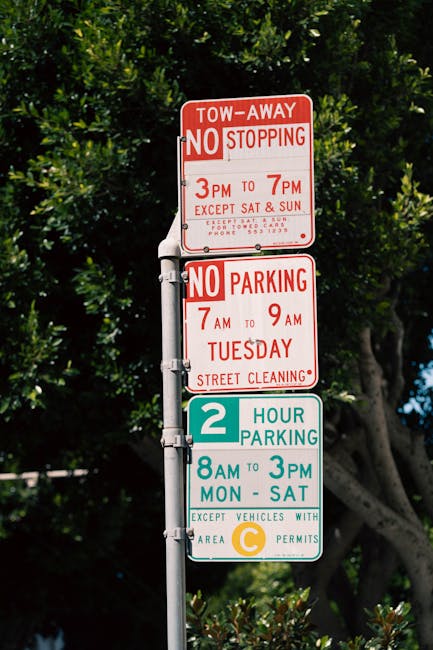
Permit and skip rules for Islington cleaning projects

Planning a clean-up in Islington can look straightforward at first: book the team, hire a skip, get the job done. Then the reality arrives. Narrow streets, shared pavements, resident parking bays, controlled waste placement, and the odd complaint from a neighbour who has already had enough noise for one week. That is where Permit and skip rules for Islington cleaning projects matter. If you are organising a deep clean, an end-of-tenancy refresh, after-builders work, or a bigger clear-out, the right permit and waste setup can save you time, money, and a fair bit of stress.
This guide explains the rules in plain English, how they usually work in practice, when a skip permit may be needed, and what to check before anything is placed outside. It also covers safer alternatives, common mistakes, and a practical checklist so you can plan cleanly from the start. To be fair, the paperwork is rarely the exciting part, but it is often the bit that keeps the whole project moving.
Why permit and skip rules for Islington cleaning projects Matters
In Islington, skip placement is not just a logistics choice. It affects access, road safety, traffic flow, neighbours, and the timing of your cleaning project. If a skip is put on a public road or other controlled space without the right permission, the whole project can stall. A cleaner may be ready, bags may be piled high, and yet the waste cannot legally be removed the way you expected. Frustrating? Absolutely.
The topic matters even more for cleaning work because cleaning projects often generate mixed waste. Think packaging, dust, broken fixtures, old flooring offcuts, damaged furniture, or leftover materials after builders have finished. One job might need only bin bags; another might need a skip, a licensed waste carrier, or a staged collection plan. In central and inner London, small details become big ones very quickly.
There is also a money angle. A poorly planned skip can lead to re-booking fees, permit delays, extra labour, or wasted parking time. If you are arranging a property clean between tenants, or you are working around a deadline, those delays can snowball. The smart move is to treat skip planning as part of the cleaning strategy, not as an afterthought.
For many customers, the real issue is not the skip itself. It is knowing where it can go, how long it can stay, and what happens if the site conditions change. That is why a good cleaning company will ask about access, waste volume, and timing before suggesting the next step.
How permit and skip rules for Islington cleaning projects Works
The process is usually simple in principle, though the details vary depending on the street, the type of property, and the amount of waste. First, decide whether the cleaning project will create waste that cannot be handled through normal household bins or scheduled collections. If yes, then you look at the available disposal method.
In many cases, the decision comes down to three questions:
- Will the waste fit in bags or small containers?
- Can a vehicle safely load it from the property without blocking access?
- Does anything need to be placed on public land, such as a roadway or pavement?
If a skip is going on private land, the permit question may be simpler, but you still need to confirm that the surface can take the weight and that access is workable. If the skip must sit on a public highway, the local authority permission and traffic conditions matter. That is usually where the extra planning comes in.
For cleaning projects, there is often a practical split between light waste and heavy waste. Light waste might be box contents, dust sheets, packaging, and non-hazardous rubbish. Heavy waste may include old carpets, rubble after an after builders cleaning job, damaged shelving, or demolished fittings. The heavier and bulkier the load, the more likely you are to need a skip rather than ordinary collection.
One thing people sometimes miss: cleaning teams are not all waste handlers in the same way. A team carrying out deep cleaning or end of tenancy cleaning may remove a limited amount of waste, but they will not usually treat them like a full clearance service unless that is agreed in advance. That distinction matters when you are planning permits, vehicle access, and disposal routes.
Key Benefits and Practical Advantages
Doing this properly brings a few very real benefits, and not just the obvious legal ones.
- Fewer delays: if the skip placement is settled early, the cleaning crew can keep working instead of waiting around.
- Cleaner site management: waste stays contained, which makes properties safer and easier to navigate.
- Less neighbour friction: a tidy, time-limited setup is easier for everyone living nearby to accept.
- Better cost control: you reduce the chance of emergency bookings, penalty charges, or repeat visits.
- More predictable handover: this is especially useful for landlords, agents, and anyone working to a move-out or completion date.
There is also a quieter benefit: confidence. When you know the permit and skip rules are handled, the rest of the project feels calmer. The team can focus on the actual cleaning work, rather than solving avoidable problems on the pavement. It sounds small, but it makes the day run better.
If your project involves a larger property or a mix of services, it can help to book the right cleaning support first and then plan disposal around that. Services like house cleaning, domestic cleaning, or one-off cleaning may create very different waste patterns. A quick planning call is often enough to avoid a mess later. Literally.
Who This Is For and When It Makes Sense
This topic is relevant to a lot more people than you might think. If you are a homeowner clearing out a flat, a landlord turning over a rental, or an office manager preparing for a refurbishment, skip rules can affect your schedule. Even a routine clean can turn into a waste-management issue if there are bulky items or post-project debris.
It is particularly useful for:
- people arranging end of tenancy cleaning with leftover items to remove
- property owners preparing for renovations and then needing after builders cleaning
- offices clearing storage rooms, old desks, packaging, or fit-out waste
- families downsizing, decluttering, or combining cleaning with house clearance
- people who need a planned clean plus specialist services such as carpet cleaning or window cleaning
It makes sense whenever the job goes beyond routine bin waste. If you are only removing a few bags, a skip might be overkill. But if your project involves old flooring, broken furniture, packaging from new fittings, or repeated visits from a crew, then the planning stage starts to matter a lot more.
A quick reality check helps here. Ask yourself: if the waste were stacked in one place by the end of the day, would it still fit neatly in normal waste streams? If the answer is no, you probably need a clearer disposal plan.
Step-by-Step Guidance
Here is the practical way to approach permit and skip planning for an Islington cleaning project.
- Estimate the waste early. Walk through the property and note bulky items, heavy debris, broken furniture, and anything that cannot go into regular bins.
- Separate cleaning waste from general household waste. Mixed waste becomes expensive and awkward if it is not sorted upfront.
- Check where the skip would sit. Private drive, forecourt, parking bay, roadway, or pavement all create different issues. A public-space placement usually needs more care.
- Confirm access for loading. A narrow Islington street can make a large vehicle tricky, especially around school runs, deliveries, and resident parking pressure.
- Decide whether a permit or alternative is better. Sometimes a smaller vehicle or bag collection is cleaner, easier, and cheaper.
- Coordinate timing with the cleaning team. The skip should be available when the waste is ready, not three days too early or too late.
- Document responsibility. Make sure you know who is arranging the permit, who is paying for waste removal, and who is checking restrictions on the day.
A simple example: a flat renovation leaves paint cans, packaging, broken tiles, and an old wardrobe. If a cleaning team is arriving after the builders, you want the skip decision made before the first bag is carried downstairs. Otherwise, people end up working around a growing pile of material, and that never feels efficient. Never.
Expert Tips for Better Results
From a practical point of view, a few habits make all the difference.
- Measure the waste, not just guess it. A single bulky item can take more room than five tidy bags.
- Think about the route, not only the destination. Carrying waste through a clean hallway is very different from loading it from a front garden or rear access.
- Match the service to the waste type. A carpet-focused job, for example, may be better paired with carpet cleaning or rug cleaning if disposal is not the main need.
- Use smaller, clearer stages. A property clean sometimes runs better if waste is removed in phases rather than all at once.
- Keep the site tidy throughout. Loose waste invites complaints, especially where shared entrances or pavements are involved.
One small tip that saves headaches: take a quick photo of the waste area before the work starts. Not glamorous, I know. But when plans change halfway through, a photo helps everyone remember what was actually there at the outset.
If the job is sensitive, such as a shared building or busy high street location, it can also help to build in a little slack time. The streets of Islington do not always behave according to schedule, and that is just the truth of it. A ten-minute delay can become half an hour if a delivery lorry decides to park exactly where it should not.
Common Mistakes to Avoid
Most problems with skip rules come from assumptions. Fair enough, people are busy. But the same errors crop up again and again.
- Leaving the permit question until the last minute. This is the big one. If the skip is needed on the day of cleaning, the permission process should be settled well before then.
- Underestimating the amount of waste. A project that starts with "just a few bags" can quickly become something much larger.
- Assuming any roadside space is fine. It usually is not. Parking bays, busier roads, and narrow lanes can all have specific restrictions.
- Mixing unsuitable waste. Some materials need different handling. When in doubt, ask before loading.
- Forgetting neighbours and access. Even legal placement can become awkward if it blocks shared entry points or creates unnecessary obstruction.
A smaller mistake, but still common: booking cleaning before you have sorted waste removal. That is backwards in many jobs. If you clear the waste plan first, the clean itself tends to run smoother. You will notice the difference immediately.
Tools, Resources and Recommendations
You do not need a specialist toolkit for this topic, but a few practical items help.
- Room-by-room waste list: note what needs removing, repairing, or cleaning.
- Simple photos: useful for planning volume and access.
- Measurement tape: helpful for checking doorways, hallways, stairwells, and driveway space.
- Project timeline: basic dates for cleaning, loading, collection, and final handover.
- Service notes: write down whether the job is domestic, commercial, or post-renovation.
For service planning, it can also help to compare related cleaning needs. For example, a property refresh might involve deep cleaning for the full interior, oven cleaning in the kitchen, and upholstery cleaning for soft furnishings. That way, you know which parts are cleaning tasks and which parts are disposal tasks. The distinction sounds obvious, but in the middle of a big job it can blur.
If your project is commercial, you may also need a plan for back-of-house storage, loading zones, or out-of-hours work. In that case, services like office cleaning and office cleaners are often better scheduled alongside waste removal rather than after it.
Law, Compliance, Standards, or Best Practice
Skip placement and waste handling sit in a wider compliance picture. The exact legal requirements can depend on the location, the type of waste, and the site setup, so it is wise to treat this area carefully rather than make assumptions. In practice, that means checking who is responsible for the permit, where the skip will sit, and whether the waste is suitable for that disposal method.
Good practice also means choosing insured, traceable, and properly managed services. If a project involves contractors, it is sensible to confirm how waste is being handled and whether the provider has clear safety procedures. A reputable cleaners team will usually be clear about what they can remove, what they cannot, and when a separate collection is needed.
There are also sensible safety expectations. Do not overload the waste area, do not leave sharp items exposed, and do not create a trip hazard for occupants, visitors, or delivery staff. If cleaners are working around building debris, broken fixtures, or slippery residues, the job should be approached with extra caution. That is one reason some customers review health and safety policy information and insurance and safety details before booking.
Best practice, in simple terms, is this: keep waste controlled, keep access clear, and keep everyone informed. Not fancy. Just solid project management.
Options, Methods, or Comparison Table
Not every Islington cleaning project needs a skip. Sometimes another method is quicker and less disruptive. Here is a practical comparison.
| Option | Best for | Pros | Trade-offs |
|---|---|---|---|
| Skip on private land | Homes, driveways, forecourts, site compounds | More flexible, usually simpler to manage | Needs enough space and safe access |
| Skip on public road or controlled space | Properties without private loading space | Useful where access is tight | May require extra permission and tighter planning |
| Bagged waste collection | Smaller cleans, light waste, low volume jobs | Less intrusive, easy to stage | Not ideal for heavy or bulky waste |
| Staged removal with a vehicle | Targeted clear-outs, mixed cleaning projects | Flexible, often efficient for tight streets | Depends on parking, loading access, and timing |
For a lot of residential work, the middle option is the one people overlook. A full skip can be too much, while bagged removal may be too little. The sweet spot is often a staged approach, especially when the cleaning job is linked to domestic cleaning or a larger property refresh.
Case Study or Real-World Example
Imagine a two-bedroom flat off a busy Islington road. The tenant has moved out, the landlord wants a quick turnaround, and the property needs a full clean before new occupants arrive. There are old curtains, broken shelves, packaging from replacement fittings, and general post-move debris. Nothing dramatic, but enough to create a real waste challenge.
At first, the plan is to book cleaning and sort the rubbish later. That sounds harmless. Then the access issues appear. The street is narrow, the available parking is limited, and there is no private driveway. Suddenly, placing a skip becomes more complicated than expected.
The better approach is to assess the waste first, decide whether a skip is truly needed, and then match the cleaning schedule to the disposal method. In this kind of job, a team might combine house cleaning with targeted work such as window cleaning and carpet cleaning, while a separate waste plan deals with the bulky items. The result is smoother, quieter, and usually quicker.
The lesson? A cleaning project is rarely just cleaning. Once space, access, and waste are involved, it becomes a small operations job as well. And honestly, that is where good planning pays off.
Practical Checklist
Use this checklist before you book or place anything:
- Confirm what waste will be created.
- Separate bulky waste from normal rubbish.
- Check whether the skip would be on private or public land.
- Measure access routes, doorways, and loading space.
- Decide who is arranging the permit or waste collection.
- Set the cleaning date after the waste plan is confirmed.
- Keep all pathways clear for residents, staff, or visitors.
- Review safety, insurance, and responsibility details.
- Build in a little extra time for delays or changes.
- Keep photos or notes of the site before the job starts.
If you can tick all ten, you are in a strong position. If not, pause and fix the gaps. A few minutes now can save a messy afternoon later.
Get a free quote today and see how much you can save.
Conclusion
Permit and skip rules for Islington cleaning projects are really about control: control over timing, access, waste, and expectations. Once you understand how those pieces fit together, the project feels far less chaotic. That is especially true in a place like Islington, where streets can be tight, schedules can be tight, and patience is sometimes in short supply.
Whether you are preparing a home, office, rental property, or post-renovation site, the safest approach is to plan the waste side before the cleaning side. It keeps the job efficient, reduces stress, and helps everyone involved work with a clearer picture. Simple, but effective.
And if you are still deciding between a skip, a bagged collection, or a more tailored cleaning setup, that is perfectly normal. A good plan starts with the actual space in front of you, not an idealised version of it. Keep it practical, keep it tidy, and the rest usually falls into place.
Frequently Asked Questions
Do I always need a permit for a skip in Islington?
Not always. If the skip is placed entirely on private land, a permit may not be needed. If it goes on a public road or another controlled space, permission is usually a separate issue that needs checking before the booking is finalised.
How do I know whether my cleaning project needs a skip at all?
Look at the volume and type of waste. If you are dealing with a few bags, you may not need one. If the job includes bulky items, hard materials, or repeated waste removal during a bigger clean, a skip or alternative collection method may make more sense.
Can a cleaning team arrange the skip for me?
Some providers can help coordinate waste removal or advise on the best approach, but responsibilities vary. It is always worth confirming who is handling the permit, who pays for disposal, and what the team will and will not remove.
What happens if the skip is too big for the street?
Then you may need a smaller skip, a different placement, or a separate collection method. In tight Islington streets, size and access are often the deciding factors. A good plan avoids forcing the wrong option into a space that cannot really handle it.
Is skip placement different for domestic and commercial cleaning projects?
Yes, often it is. Domestic jobs may produce mixed household waste, while commercial jobs can involve office furniture, packaging, or fit-out debris. The access, timing, and disposal plan may look very different from one setting to the next.
What kind of waste comes up most often in cleaning projects?
Common examples include packaging, damaged fixtures, old soft furnishings, dust sheets, renovation debris, and items that are being removed during a clear-out. The exact mix depends on whether the job is routine cleaning, deep cleaning, or post-building work.
Can I combine a deep clean with a clearance job?
Yes, and it often makes sense. Just separate the cleaning tasks from the waste tasks clearly. A service such as deep cleaning can deal with the property itself, while bulky waste may need a different arrangement.
What is the safest way to avoid complaints from neighbours?
Keep the waste area tidy, avoid blocking access, and limit how long items sit outside. Good timing helps too. If your project is in a shared building or busy road, a quiet, organised setup goes a long way.
Should I plan waste removal before booking the cleaning?
Yes, ideally. Waste planning affects access, timing, and the amount of work the cleaners can complete in one visit. If the disposal side is left until the end, you can end up paying for avoidable delays.
Are there best-practice checks for safety and insurance?
There are. It is sensible to check that the provider has suitable safety procedures, clear site management, and appropriate insurance. For larger or more complex jobs, those details matter quite a bit.
What if my project only needs one room cleaned and a few items removed?
Then a skip may be unnecessary. A lighter-touch option, such as staged bag removal or a smaller service plan, may be easier and cheaper. That is one of those moments where less really is more.
Where should I start if I am still unsure?
Start with the property layout, the waste estimate, and the likely access route. Once you know those three things, the right option usually becomes much clearer. If you want a more structured plan, reviewing pricing and quotes can help you compare approaches without rushing.